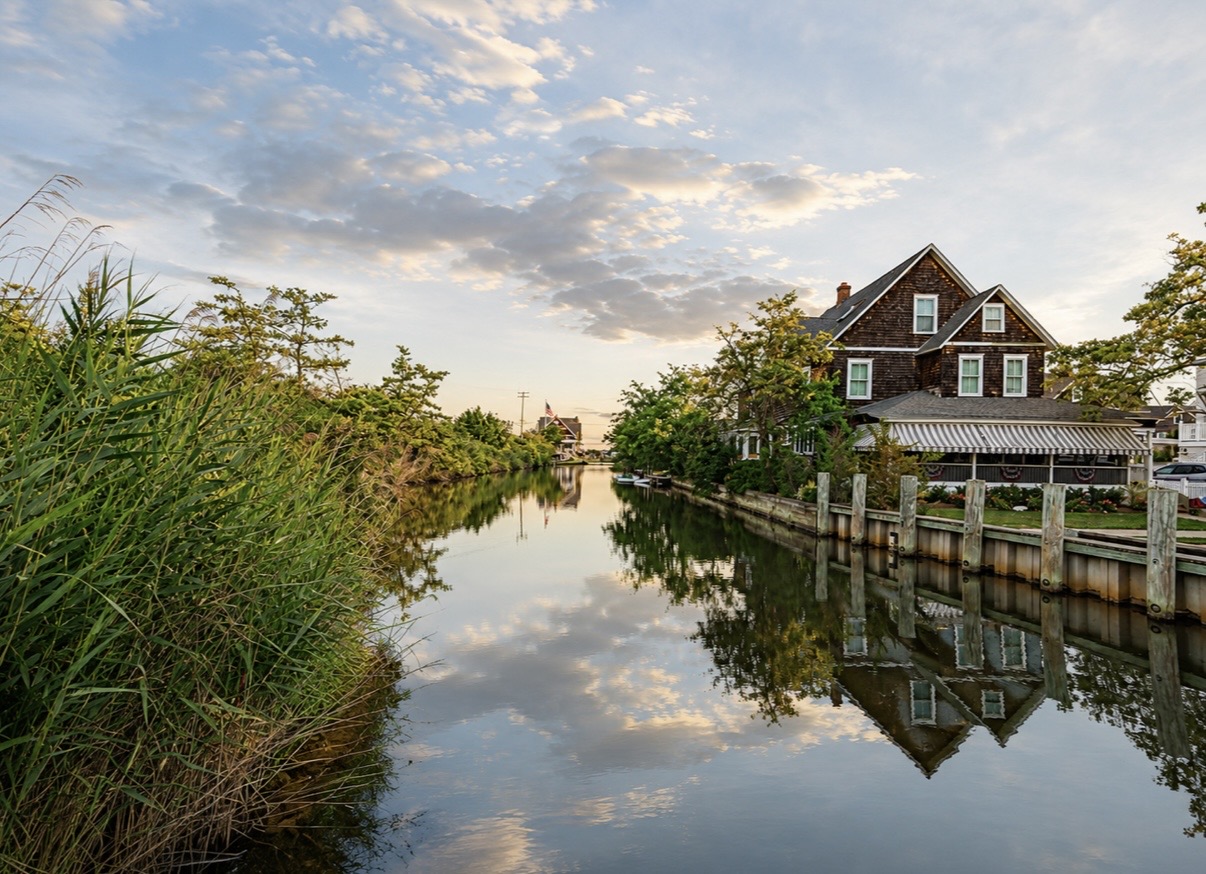
Jersey Shore Real Estate Blog

Town comparisons, weekend event guides, market numbers and real stories from deals I've worked across Ocean and Monmouth County. I've lived in Lacey Township my whole life, so everything here comes from someone who actually lives at the Shore.

Want the current numbers on a specific town, or have a question about something you read here? Call or text me at (609) 709-2742.

Sept. 7, 2026

Don't Be Intimidated by a Gutted House: Vision Over Perfection

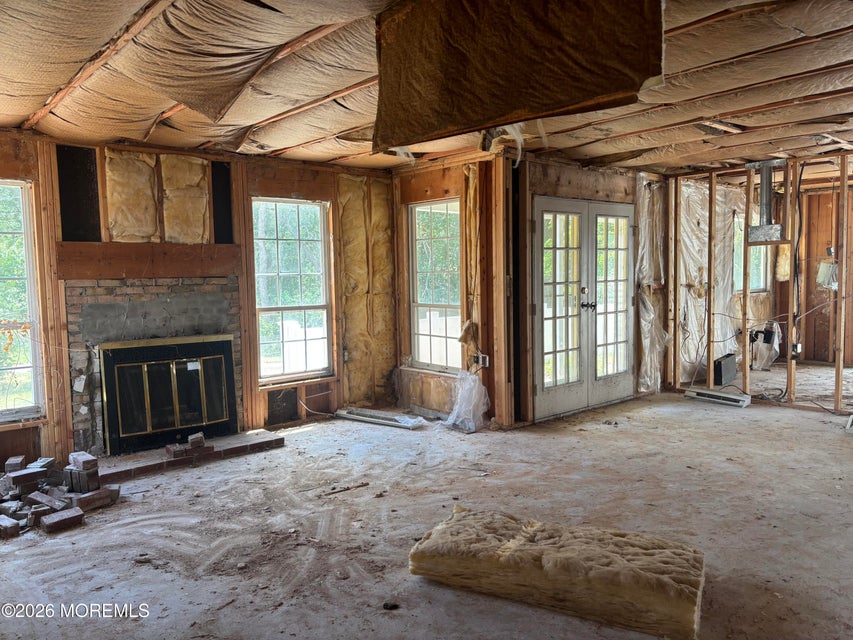
Gutted living room with brick fireplace, large windows, and French doors, stripped to the studs

Local Knowledge. Shore Results.

The Short Version

A gutted house is a blank page. If you have a vision, it can be a faster, cheaper path to the home you want than paying for someone else's finishes and redoing them.

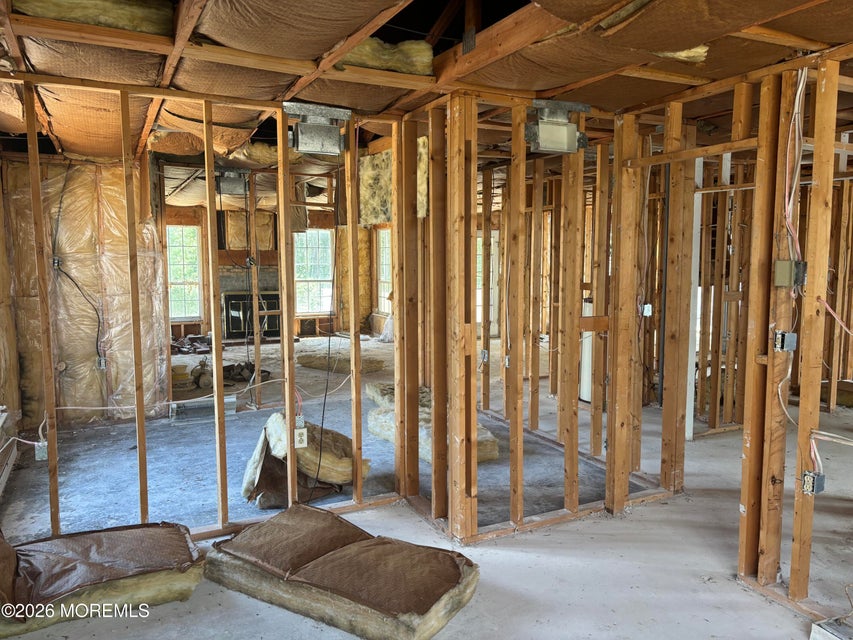
I recently listed a home in Manchester Township that's gutted completely, down to the studs. No kitchen, no finished flooring, no drywall in some rooms. I watched the same reaction happen more than once: buyers pull up the photos and immediately assume it's not for them.

That reaction is understandable. It's also usually wrong.

A house stripped down to its frame is a blank page. Somebody already did the hard, expensive, invisible part, the roof, the electrical, the plumbing, the systems nobody wants to think about until they fail. What's left is decisions, yours to make, not someone else's already made for you.

It Comes Down to Vision, Not Whether You Can Handle the Work

Most finished homes on the market were finished by someone else, with someone else's taste, someone else's budget, someone else's compromises. You walk through, and you're negotiating with ghosts: that's a wall I'd move, that's a floor I'd rip out, why is the primary bath all the way over there. You end up paying full price for someone else's choices, then paying again, later, to undo them.

Interior of a gutted house with walls opened to the studs and wiring exposed

A gutted house skips that entirely. There's nothing to undo. If you can see the finished version in your head, even roughly, this kind of property is the fastest, often cheapest, way to actually get it. It's a shortcut to exactly the house you already have in your head.

A house stripped down to its frame is a blank page.

Who This Is Actually For

It's not for everyone, and it shouldn't be. If you need to walk in and picture yourself living there exactly as it looks today, this isn't your house. But if you're the kind of buyer who's ever stood in a finished home thinking "I'd change almost everything anyway," you're already halfway to being the right buyer for a project like this.

Investors and contractors already know this. But plenty of regular buyers do too, they just haven't had a property like this pointed out to them as a real, sane option instead of a scary one.

Seeing It Through

The gap between "gutted house" and "finished home" isn't as wide as the photos make it look. It's a sequence: systems first (already done, in this case), then layout, then finishes, then the details that make it yours. Buyers who get intimidated tend to look at the whole gap at once. Buyers who succeed at this look at the next step only.

If you've got a vision and you're willing to see it through one decision at a time, a gutted house is just a different, often better, starting line than a finished one.


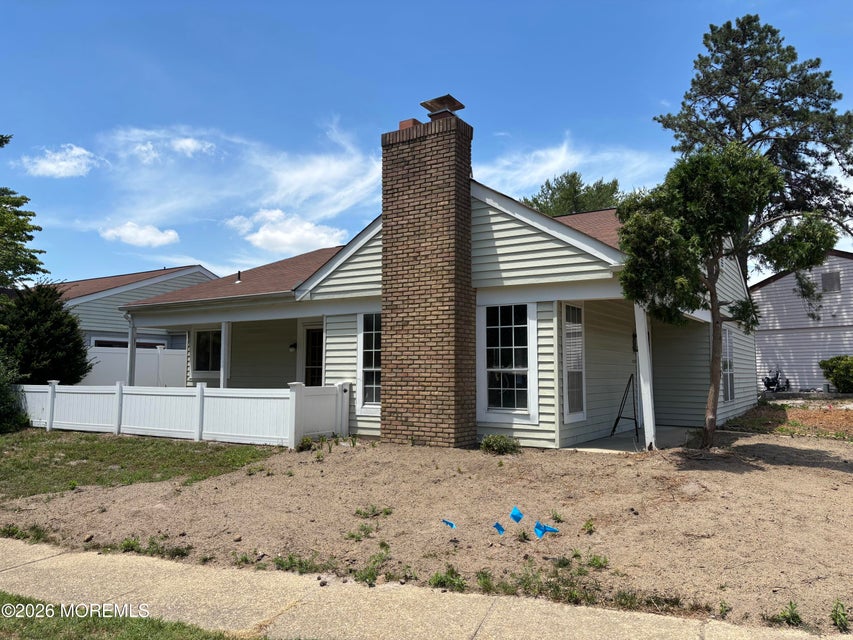
Exterior of the gutted house, a single-story home with a brick chimney and covered porch

Have questions about whether a project like this makes sense for you? Reach out directly or call (609) 709-2742.

Call or Text (609) 709-2742


Matthew Quinn, United Real Estate Associates
(609) 709-2742
matt@mattquinnsellshomes.com

Sept. 2, 2026

Jersey Shore Weekend Guide: Week of August 26, 2026

Jersey Shore Weekend Guide: Week of August 26, 2026

Local Knowledge. Shore Results.

Every week, I put together a roundup of what's happening around the Jersey Shore, from surf contests and hometown firemen's fairs to seafood festivals, live music, and rescue pups looking for a home. Here's what's happening this week:

  • Barrier Island Classic Surf Contest (Island Beach State Park), Friday: a surf contest with local surfers competing to support beach conservation.
  • Fair Haven Firemen's Fair, Friday through Saturday, then Monday through Saturday: rides, games, and tickets, running August 28 through September 5, closed Sunday August 30, with a Wednesday family night.
  • Asbury Park Seafood & BBQ Festival (Bradley Park), Friday through Sunday: fresh seafood, award-winning BBQ, and live music on the boardwalk all weekend.
  • 100 Waves for Recovery (Wooden Jetty, Holgate), Saturday: a Long Beach Island surf event supporting addiction recovery, 11 AM to 3 PM.
  • Toms River Block Party (Washington Street), Saturday: live music, games, fire trucks, and food for the whole family, 11 AM to 5 PM.
  • Long Branch Jazz & Blues Festival (Great Lawn & Promenade), Saturday: a free jazz and blues festival with fireworks at dark, 1 PM to 9 PM.
  • Pitties & Pals Rescue Meet & Greet (Booter Beer Brewing Company), Saturday: meet adoptable rescue dogs looking for their forever homes, 11 AM to 1 PM.
  • Red Bank Street Fair & Craft Show, Sunday: local artisans, live music, and food downtown, free admission, 11 AM to 5 PM.

This week's featured events: 100 Waves for Recovery, Fair Haven Firemen's Fair, Asbury Park Seafood & BBQ Festival, and the Long Branch Jazz & Blues Festival.


This roundup gets posted fresh every week, right here and on Instagram and Facebook. For the current week's events plus everything else happening at the Shore, visit Living at the Jersey Shore ». If you're a local business or event organizer and want to be included in a future week's guide, reach out directly.

Call or Text (609) 709-2742


Matthew Quinn, United Real Estate Associates
(609) 709-2742
matt@mattquinnsellshomes.com

Aug. 31, 2026

Why Some Post-Sandy Shore Homes Have Problems Newer Buyers Don't Expect

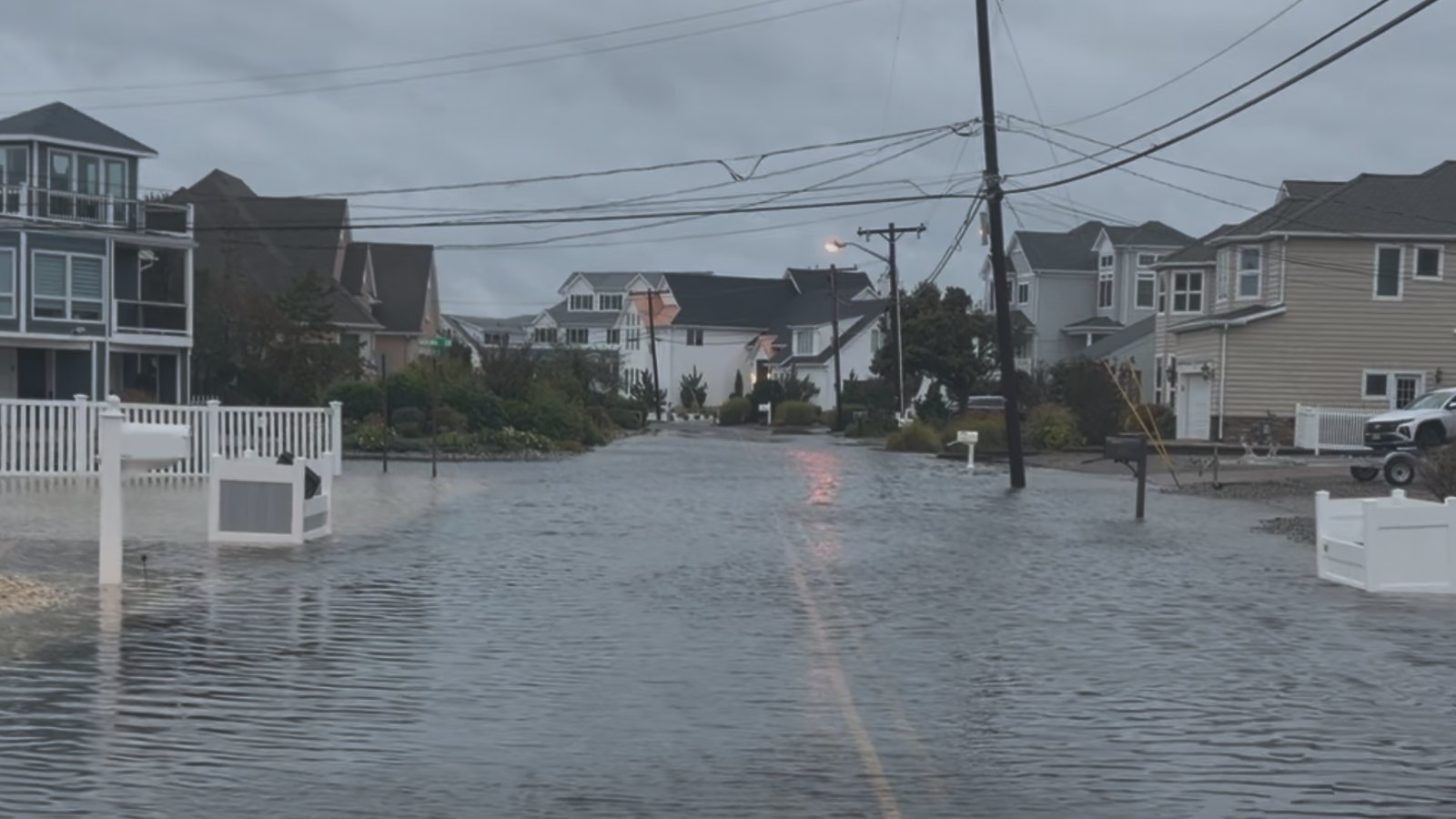
A bayside street in a low-lying Jersey Shore neighborhood covered in floodwater during the September 26, 2026 nor'easter

A bayside street flooded during the September 26, 2026 nor'easter. It was not a direct hit, and surge like this still reached the streets.

Local Knowledge. Shore Results.

The Short Version

Homes that sat damaged after Sandy can hide mold and other problems under cosmetic updates. Ask about the storm history and the repair timeline, not just the current condition.

When Hurricane Sandy hit the Jersey Shore, the damage itself was only the beginning of the story for a lot of homeowners. What happened in the months, and in some cases years, afterward is the part that still shows up in certain homes today, and it's not something most buyers know to ask about.

This reflects what I saw firsthand during my two years as a health inspector for Ocean County, not a current professional evaluation. Always have a licensed home inspector evaluate anything specific before making a decision based on what you read here.

The Complaints I Actually Responded To

A large share of the homes along the coast were secondary, vacation properties, not primary residences. That distinction ended up mattering enormously after the storm. Insurance claims on secondary homes were often slower to resolve, and sometimes far more complicated, than claims on a family's primary residence.

Neighbors would call in complaints about a house sitting damaged and unattended, and I'd go inspect it. Almost every time, the answer was the same: the owner was still waiting on insurance money, and there was genuinely nothing the township or county could do to speed that up. The house sat exactly as the storm left it, often for well over a year, sometimes considerably longer.

What Sitting Damaged for That Long Actually Does to a House

A storm-damaged home that gets addressed quickly is a very different situation than one left vacant and wet for an extended period. Mold gets a genuine head start once a home has standing water or persistent moisture with no one drying it out or beginning repairs.

Electrical systems that took on water don't get safer by sitting untouched, they sit as a real hazard, waiting for someone to actually address them. The longer a property stayed in limbo, the more the underlying damage compounded well beyond what the storm itself caused.

Some Homeowners Never Got the Money at All

In some cases, the insurance payout never came through, or came through at a fraction of what was needed to actually make the repairs. When that happened, some owners simply walked away from the property entirely. A home that's been abandoned outright is a different, often worse, situation than one where an owner was actively trying and failing to keep up, deferred maintenance compounds fastest when there's genuinely no one managing the property at all.

Cosmetic updates can sit on top of problems that were never actually fixed, only covered.

Where This Pattern Was Worst: The Low-Lying Areas

This problem was never evenly distributed. It concentrated hardest in the low-lying, back-bay, and lagoon communities, not necessarily the oceanfront properties people picture first when they think of storm damage.

Beach Haven West, in Stafford Township, is a clear example. Homes there were built on original slabs just a few feet off the ground, and water reached their doorsteps even before Sandy's official landfall, days of northeast winds had already been pushing water into the back bays ahead of the storm itself.

Ortley Beach, part of Toms River Township, was hit hard enough that Toms River ended up condemning and demolishing more than 600 severely damaged homes across Ortley Beach and other coastal sections, with residents kept out for weeks while the damage was assessed.

Union Beach saw roughly 90% of the borough flood, with water ranging from 2 to 10 feet deep depending on the block, and widespread scouring around home foundations, not just surface flooding. Sea Bright was hit hard as well, with real accounts from residents describing several feet of water rushing into ground-floor units during the storm.

There's a structural reason low-lying bay and lagoon areas fared this badly, sometimes worse than oceanfront: beach replenishment efforts, the sand-pumping projects that protect oceanfront property, do nothing for the bayside. There's no equivalent buffer for a lagoon or back-bay shoreline. That's exactly why these back-bay neighborhoods, often perceived as more sheltered than direct oceanfront, ended up facing some of the longest, most severe flooding of the entire storm.

The September 26, 2026 nor'easter was a recent reminder. It was not a direct hit, but the surge still pushed water into bayside streets like the one in the photo above. The barrier islands took substantial damage from the flooding and wind. Lacey Township, where I live, came through with minimal damage, though there was still flooding around waterfront communities.

What This Means If You're Buying an Older Shore Home Today

Many of these properties did eventually get repaired, sold, and are now perfectly sound homes. But not all of them were repaired to the same standard, and the sale of a property doesn't erase what happened to it structurally in the years before that sale.

If you're looking at an older home in a coastal or flood-prone section of the Shore, particularly one that would have existed during Sandy in 2012, a few things are worth asking about directly:

Ask specifically about the property's storm history and renovation timeline. Not just whether it was damaged, but how long repairs took and what was actually replaced versus patched.

A genuinely thorough inspection matters more here than almost anywhere else. Mold and electrical issues from this specific period aren't always visible on the surface, especially if repairs were made to pass a basic standard rather than fully address what happened underneath.

Ask for permits and documentation on any post-Sandy work, if a renovation happened without proper permitting, that's often a sign it was done to save money and time rather than done thoroughly.

Don't assume a renovated look means a fully resolved history. Cosmetic updates can sit on top of problems that were never actually fixed, only covered.

Most of these homes have long since been properly addressed, and plenty of genuinely excellent properties came out the other side of this period rebuilt the right way. The real takeaway is to ask real, specific questions rather than assume a home's current condition tells the whole story.


Want to talk through your own situation? Reach out directly or call (609) 709-2742.

Call or Text (609) 709-2742

Matthew Quinn, United Real Estate Associates
(609) 709-2742
matt@mattquinnsellshomes.com

Sources


  • WHYY, "The List: Ten N.J. Communities Still Struggling to Recover from Sandy," on Ortley Beach home condemnations
  • New Jersey Department of Community Affairs, Union Beach Strategic Recovery Planning Report
  • Echoes of LBI, "The Legacy of Superstorm Sandy," on pre-landfall flooding in Beach Haven West
  • Red Bank Green, "Sea Bright Smashed by Hurricane Sandy," on resident flooding accounts
Posted in Local Insight
Aug. 26, 2026

Jersey Shore Weekend Guide: Week of August 19, 2026

Jersey Shore Weekend Guide: Week of August 19, 2026

Local Knowledge. Shore Results.

Every week, I put together a roundup of what's happening around the Jersey Shore, from community festivals and hometown celebrations to food truck events, live music, family activities, and local traditions. Here's what's happening this week:

  • 26th Annual Lacey 5K Race and 1 Mile Fun Run (Gille Park, Lacey Township), Saturday, August 22: registration at 7am, fun run at 8am, 5K at 8:30. Proceeds benefit substance abuse prevention, the Lacey Recreation Department, and the Lacey Food Bank.
  • Beachwood Community Luau (Beachwood Beach), Saturday, August 22, 12-4pm: craft vendors, inflatables, food trucks, a DJ, luau dancers, a beer garden, and a 50/50 raffle. Bring your chairs and your crew.
  • Sea of Fun During Downtown Night Out (Washington Street, Toms River), Saturday, August 22, 5-10pm: build-your-own sea creature, shell painting, coastal shopping, and local vendors as part of the "What the Shelly" event.

This week's featured event: The 26th Annual Lacey 5K, benefiting substance abuse prevention, the Lacey Recreation Department, and the Lacey Food Bank.


This roundup gets posted fresh every week, right here and on Instagram and Facebook. For the current week's events plus everything else happening at the Shore, visit Living at the Jersey Shore ». If you're a local business or event organizer and want to be included in a future week's guide, reach out directly.

Call or Text (609) 709-2742


Matthew Quinn, United Real Estate Associates
(609) 709-2742
matt@mattquinnsellshomes.com

Aug. 24, 2026

What Actually Makes a Listing Stand Out at the Jersey Shore in 2026

Local Knowledge. Shore Results.

The Short Version

Shore buyers weigh flood zones, insurance, and elevation, not just bedrooms. Professional photos, upfront disclosure, and the right price from day one are what move a listing.

The playbook for selling a home has changed fast, and nowhere does that show up more than along the coast.

Nationally, active housing inventory rose more than 16% in 2025, one of the biggest annual jumps since the pandemic-era crunch.1 At the same time, 62% of buyers paid below the original list price last year, the highest share since 2019, and for those who got a discount, the typical markdown hit 7.9%, the biggest gap since 2012.2

At the Jersey Shore, that shift lands harder than the national numbers suggest. Buyers here aren't just weighing bedrooms and bathrooms. They're weighing flood zones, insurance costs, and whether a barrier-island property was actually elevated after Sandy. A shore buyer in 2026 has more listings to choose from than they did a couple years ago, and more reasons to walk away from any one of them if it doesn't answer their questions upfront.

Putting a home on the MLS, snapping a few photos, and waiting for offers to roll in doesn't work anymore, and honestly, it never worked as well here as people assumed it did. Here's what actually gets a shore listing sold in this market.

What the 2026 Shore Buyer Is Actually Filtering For

Before getting into strategy, it helps to understand what's actually driving decisions right now. At the Shore, it's rarely just square footage.

Layout Matters More Than Size

Buyers today care as much about how a home flows as how big it is, and that shows up constantly in the questions I get during showings.

For shore properties specifically, that usually means a mudroom that can actually handle sandy feet and wet towels, a bonus room that works as a home office in the off-season, or a layout flexible enough to support renting part of the year. A house can check every box on paper and still lose a buyer in the first two minutes if it doesn't feel right walking in.

Move-In Ready Isn't Optional Anymore

Nearly 15% of pending home sales fell through in June alone, the highest June level on record, and buyer's inspection contingencies are one of the biggest reasons why, right alongside financial jitters over price and rate.3 Buyers are stretched thin enough on the mortgage itself, they don't have room left to absorb a surprise repair bill on top of it.

At the Shore, that risk compounds. A buyer here isn't just worried about a cracked foundation. They're worried about flood compliance, an aging bulkhead, or a well and septic system that hasn't been serviced in years. Show a buyer deferred maintenance on a coastal property and they don't see potential, they see a flood zone problem waiting to surface, and that's exactly where a seller starts losing leverage on price.

Energy Efficiency Is a Financial Filter Now, Not a Preference

Buyers are increasingly evaluating energy efficiency as a hedge, against utility costs, against climate risk, against future insurability, not just as a nice feature. For shore sellers, that pairs directly with flood and windstorm insurance costs. Between two similar homes, a buyer will usually lean toward the one where updated systems and storm resilience are already documented rather than something they have to gamble on. Here, "storm-ready" carries real financial weight, not just curb appeal.

Win the Screen Before You Win the Showing

The online listing is the first showing. By the time a buyer walks through the front door, they've usually already decided they're interested, or they scrolled past three weeks ago.

The First Photo Does Most of the Work

Homebuyers consistently rank listing photos as the single most important factor when evaluating a property online, ahead of price, ahead of the description.4 Professional photography alone can mean 61% more views and a sale that closes 32% faster.4 For a Shore listing, that first photo has one job: prove the water, the view, or the lifestyle is real, not staged, not a stretch.

Twilight Shots, Drone Footage, and Video Actually Earn Their Cost Here

Twilight photography used as the lead image can pull in 76% more views than a standard daytime shot.4 Along the water, that's not a small edge, a bay or marina lit up at golden hour sells a lifestyle in a way no daytime photo can touch.

Drone photography tends to move listings faster too, and for barrier-island and waterfront properties specifically, it's often the only way to actually show a buyer what they're getting, the dock, the water access, how close the beach really is, none of which comes through from the street. Video takes it further still, listings with video can pull in roughly five times the inquiries of listings without it.4

These aren't small edges anywhere. At the Shore, where the property's relationship to the water usually is the sale, they matter even more.

3D Tours Have Gone From Nice-to-Have to Expected

A virtual tour does two things. It filters out buyers who were never serious before they take up anyone's Saturday, and it gives serious buyers, including the out-of-state relocation buyers who are increasingly common in this market, enough confidence to move fast once they do show up in person. Listings with 3D tours sell up to 31% faster and for as much as 9% more.5

For a buyer relocating from out of state, that tour is often the first real look they get at the house. If the first photo doesn't stop the scroll, nothing else about the listing, the square footage, the price, the layout, ever gets a chance to matter.

Remove Every Reason to Say No

In a slower market, uncertainty is what kills offers, or keeps them low. Every unanswered question becomes a reason to negotiate down or walk, and at the Shore the list of possible questions runs longer than most markets: flood zone designation, elevation certificate, whether the home was actually rebuilt to current flood-compliance standards after Sandy, whether it's on well and septic, whether short-term rental income is even allowed in that specific town.

The smart move is answering the scary questions before anyone has to ask them.

That starts with a pre-listing inspection. For $300 to $800, a seller can find and address issues on their own timeline, before a buyer's inspector turns a minor finding into leverage for a bigger negotiation. NAR has been pushing this approach for exactly that reason, it lets a seller handle repairs before the sign even goes up.6

For a Shore property, I'd go a step further. Have the flood zone designation and elevation certificate ready alongside the inspection, along with the ages of the major systems (HVAC, roof, water heater), a 12-month utility cost history, and documentation of any recent repairs.

That's what actually removes the discount a buyer is mentally applying for risk and uncertainty, and along the coast, that discount starts with flood risk before it ever gets anywhere near the roof.

Good photos get a buyer through the door, but good documentation is what keeps them there once the real questions start.

Buyers here aren't just weighing bedrooms and bathrooms. They're weighing flood zones, insurance costs, and whether a barrier-island property was actually elevated after Sandy.

Price It Right or Pay for It Later

Every piece of this, understanding the buyer, presenting the home well, being upfront about what they'll want to know, comes down to one number in the end. Overpriced listings don't just sit longer, they end up selling for less than they would have if they'd been priced right from the start.

The Overpricing Trap

Nearly one in five listings nationwide had a price reduction during peak season in 2025 (17.4% in July alone), and the typical home sold for close to 4% under asking that month, the steepest seasonal discount in six years.7

At the Shore, seasonality makes this worse. A listing that sits through the summer and drifts into fall doesn't just lose momentum, it loses the exact buyer pool, vacation-home shoppers, relocation buyers timing a move around the school year, that was most motivated to act in the first place.

Once a listing sits, days on market climb and buyers start assuming something's wrong with the house, even when the only thing wrong was the number on the sign.

The First Two Weeks Decide More Than People Think

A listing gets the most attention and the most serious interest right after it launches, and at the Shore that window usually lines up with the season itself. Pricing high just to see what happens is a real gamble here, every week that goes by during peak season makes the next correction less effective, and the buyer pool doesn't sit around waiting for next summer.

Pricing competitively from day one tends to attract multiple offers and often lands a higher final sale price than starting high and cutting later.7 The goal isn't underpricing to leave money on the table. It's pricing with enough precision that serious buyers recognize the value and move on it fast.

One Real Price Correction Beats a String of Small Ones

A string of small reductions reads as desperation, and it trains buyers to just wait for the next one.

A single, decisive correction, one that's aggressive enough to actually restart interest, almost always performs better than nickel-and-diming the price down over months.7 The market reads hesitation as weakness, and at the Shore, where buyers are already watching flood zones and insurance costs closely, hesitation on price just becomes one more thing for them to worry about.

Pricing correctly from day one is the strategic move here, not simply the cautious one, and it's one of the most valuable things a good agent actually brings to a listing.

What Actually Wins in This Market Now

The listing that wins in 2026 is the one that's most ready, not necessarily the cheapest or the biggest one on the block.

Ready in how it's laid out for the way people actually live here, ready in how it's photographed so the water and the lifestyle actually come through, ready in what it discloses upfront on flood zones, systems, and rental rules, and ready in how it's priced from day one.

That's the bar for 2026. A listing that clears it competes for serious buyers. One that doesn't ends up sitting through the exact stretch of the year that mattered most.

If you're thinking about selling, or you've got a listing that isn't performing the way you expected, let's talk. Working this market full-time since 2023 has taught me that the difference between a home that moves and one that sits usually comes down to strategy and local specifics, not the property itself.

Call or Text (609) 709-2742


Matthew Quinn, United Real Estate Associates
(609) 709-2742
matt@mattquinnsellshomes.com

Sources


  1. HousingWire, "The U.S. Housing Market in 2025: A Year of Normalization," housingwire.com
  2. Redfin, "Homebuyers Are Scoring the Biggest Discounts in 13 Years," redfin.com
  3. Redfin, "Redfin Reports 1 in 7 Pending Home Sales Fell Through Last Month, the Highest June Level on Record," businesswire.com
  4. PhotoUp and RubyHome real estate photography and video statistics, photoup.net / rubyhome.com
  5. Matterport, "With 3D Tours, Properties Sell Up to 31% Faster and at a Higher Price," matterport.com
  6. NAR Magazine, "Agents Turn to Pre-Listing Inspections to Prevent Canceled Contracts," nar.realtor
  7. Redfin, "Home Sellers Are Cutting Prices at a Record Rate to Lure Skittish Buyers," and NAR Magazine, "Listing Price Reduction? How to Navigate It With Buyers, Sellers," redfin.com / nar.realtor
Posted in Buying Strategy
Aug. 17, 2026

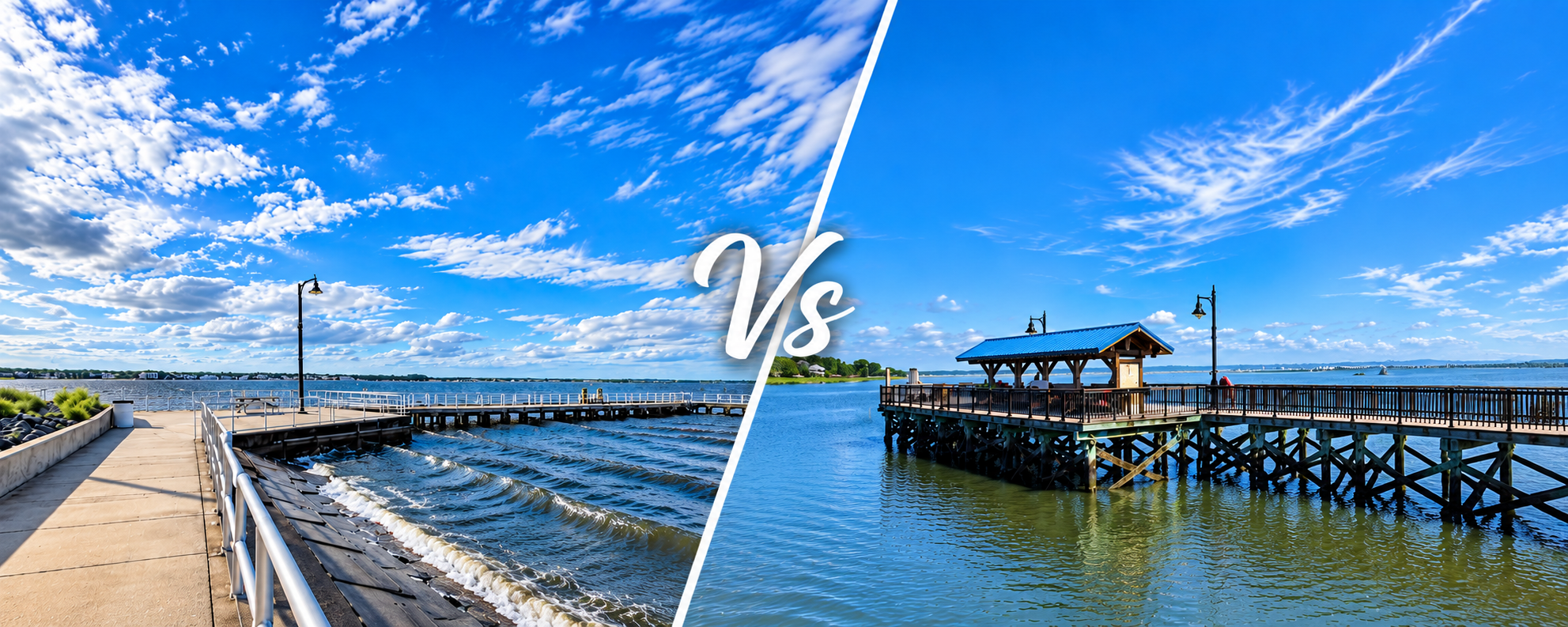
Dock or Downtown: Berkeley Township vs. Keyport

Dock or Downtown: Berkeley Township vs. Keyport

Local Knowledge. Shore Results.

The Short Version

Berkeley gets you lagoon docks and a lower tax bill for about $185,000 less. Keyport costs more and gives you a walkable harbor downtown.

Here's a question I hear constantly from relocating buyers: "What can I get for my budget?" On its own, that question can send you into a bad comparison. Berkeley Township and Keyport get cross-shopped by buyers all the time, even though the two towns aren't priced the same.

Berkeley's median list price right now is $369,999. Keyport's is $554,500, almost $185,000 higher. That gap alone tells you these are two different budgets buying two different lives, and once you see what each price actually gets you, the comparison makes a lot more sense than the map does.

The Towns

Berkeley Township, Ocean County. One of the largest municipalities in the county by land, 42.72 square miles, home to about 43,754 residents spread across sections like Bayville, Glen Cove, and Pinewald, plus Holiday City-Silver Ridge Park, one of the largest active-adult clusters on the entire Jersey Shore.

Keyport, Monmouth County. The opposite end of the scale, 1.38 square miles and roughly 7,204 people, small enough to walk from one edge of town to the other in under twenty minutes. Known locally as the "Pearl of the Bayshore," with a genuine antique-shopping district along West Front Street you can walk end to end.

Right now there are 283 active listings in Berkeley Township, ranging from $194,900 up to $2,499,999, with that $369,999 median. Keyport is a much smaller market, just 30 active listings, running from $259,999 to $849,900 with that $554,500 median.

Berkeley's tax bill runs lower too, an effective rate of 1.498% and an average bill around $5,442, against Keyport's 2.063% and an average closer to $9,219. The gap isn't only the sale price, it carries into what you pay every year after you own the place.

What Each Price Actually Buys You

In Berkeley Township, your daily life centers on the water, but in a specific way: boating and lagoon access rather than beach walking.

A boat off your own dock, a quieter, more suburban pace, and if you're specifically looking at the active-adult sections, a genuine clubhouse-and-amenity lifestyle that Keyport simply doesn't offer. Errands and dining mean a short drive, not a walk, this is a car-oriented town, and that's a real tradeoff worth being honest about upfront.

In Keyport, your daily life centers on a walkable downtown and a working waterfront with a different character entirely, less about private boat access, more about a real, historic small-town harbor feel. You can walk to a coffee shop, browse actual antique stores, and get to know a compact business district on foot.

It's a smaller footprint than Berkeley's, with less land and less private water access, but a genuinely different kind of "close to the water" experience, one built around a public harbor and downtown rather than a private lagoon dock.

If a boat and a quiet lagoon dock are the goal, Berkeley gets you there for a lower price and a lower tax bill.

Schools

Berkeley runs its own K-6 district, then sends students to Central Regional for grades 7 through 12 alongside a handful of neighboring towns. Keyport operates a full K-12 district on its own and also serves students from Union Beach.

The Actual Decision

Neither town is objectively better, and neither is simply the "value" option. They're different amounts of money buying different versions of close to the water. If a boat and a quiet lagoon dock are the goal, Berkeley gets you there for a lower price and a lower tax bill.

If a walkable downtown and small-town harbor character matter more than private water access, Keyport delivers that, and it costs more to get it, both at closing and every year after in taxes.

Buyers who skip this question entirely, who just search by price and square footage, sometimes end up in the "right" home in the wrong version of this tradeoff, and don't realize it until they're a year in and still driving everywhere in a town they pictured being walkable, or missing water access in a town they thought would have it.

Why This Matters Beyond These Two Towns

This exact exercise works across dozens of pairings throughout Ocean and Monmouth County, whether the two towns land close on price or, like Berkeley and Keyport, sit far enough apart that the gap itself is worth understanding before you choose.

The only way to actually know which one fits is understanding both towns honestly, price and lifestyle both, before you start touring homes in either. That's the entire premise this site is built around, and it's exactly the kind of comparison I'll walk through for whatever price range and lifestyle you're actually working with.

Want the median price, tax rate, and full data table side by side? Compare Berkeley Township and Keyport, or run your own comparison for any two Jersey Shore towns.

Read the full Berkeley Township guide | Read the full Keyport guide


Trying to figure out whether space and a lower tax bill or a walkable downtown actually fits how you want to live? Reach out directly or call (609) 709-2742.

Call or Text (609) 709-2742


Matthew Quinn, United Real Estate Associates
(609) 709-2742
matt@mattquinnsellshomes.com

Posted in Town Comparisons
Aug. 12, 2026

Jersey Shore Weekend Guide: Week of August 12, 2026

Jersey Shore Weekend Guide: Week of August 12, 2026

Local Knowledge. Shore Results.

Waterfront festivals, fresh seafood, live music, classic cars, family fun and a few uniquely Jersey Shore events across Ocean and Monmouth Counties. Here's what's happening this week:

  • Dock Road Marlin Fest (Beach Haven), Tuesday through Friday, Aug 11 to 14: live music, food and drinks, vendors, family activities, and tournament weigh-ins.
  • National Night Out (Lakehurst), Wednesday, 6:00 PM to 9:00 PM: first responders, food trucks, live music, K-9 and SWAT demonstrations, and raffles and prizes.
  • NAC's Last Splash, Thursday, 4:00 PM to 6:00 PM: pool time for the dogs, benefiting the Monmouth County SPCA.
  • Kiwi's Color Run for a Cause (West Creek), Saturday, 10:00 AM: a 5K color run, a 1-mile fun run, and entertainment, benefiting David's Dream and Believe Cancer Foundation.
  • Blue Claw Craft Show (Harvey Cedars), Saturday, 10:00 AM to 3:00 PM: crafts and local makers on a summer day on LBI.
  • Canoe, Kayak & Paddleboard Races (Stockton Lake), Saturday, 10:00 AM: canoe, kayak, and paddleboard races, plus a raffle.
  • Family Fun Day & Back to School Extravaganza (South Toms River), Saturday, 10:00 AM to 4:00 PM: family fun, vendors, and a touch-a-truck, with free admission.
  • Tuckerton Summerfest (Tuckerton), Saturday, starting at 11:00 AM: live rock 'n' roll, a classic car show, food trucks, craft vendors, and ice cream.
  • Trudy Fest (Highlands), Saturday, 3:00 PM to 8:00 PM: live music, food trucks, children's activities, vendors, and a wine and beer garden.
  • Surf & Turf Seafood Festival (Monmouth Park), Saturday and Sunday, 11:00 AM to 5:00 PM: fresh seafood, live music, and food for a summer weekend at the track.
  • Around the Pier Bar Crawl (Pier Village), Sunday, 11:00 AM to sunset: drinks at Pier Village stops and a doggie sweets bandana giveaway.

This week's featured events: Dock Road Marlin Fest, Tuckerton Summerfest, Trudy Fest, and the Surf & Turf Seafood Festival.

This roundup gets posted fresh every week, right here and on Instagram and Facebook. For the current week's events plus everything else happening at the Shore, visit Living at the Jersey Shore ». If you're a local business or event organizer and want to be included in a future week's guide, reach out directly.

Call or Text (609) 709-2742

Matthew Quinn, United Real Estate Associates
(609) 709-2742
matt@mattquinnsellshomes.com

Aug. 10, 2026

What Two Years as a Health Inspector Taught Me About Buying a Home

Local Knowledge. Shore Results.

The Short Version

Moisture is rarely just moisture. Two years as a health inspector taught me to look for the cause behind what I see on a tour, long before the professional inspection.

A few years into selling real estate, I took on work as a health inspector for Ocean County, a role I held for two years while I kept selling homes.

I walked through homes across the entire county in that role, not touring them the way a buyer does, but actually inspecting them. That experience changed the way I look at a house permanently, and it's part of what shapes how I work with buyers today.

A note on my background: two years as Ocean County's health inspector gave me a genuine, practical eye for the kinds of issues that show up in this region's housing stock, and it's part of what shapes the questions I ask and the things I flag as your agent today. It isn't a substitute for a current, licensed home inspection, and I'm not practicing in that capacity any longer. Always have a licensed home inspector evaluate anything specific before making a decision based on what you read here.

With that said, here's what that experience actually taught me, and what it means for how I walk through a house with a buyer now.

Moisture Is the Story Behind Most Other Problems

If there's one thing that experience burned into me, it's that moisture is rarely just moisture. A damp basement corner, a musty smell in a closet, water staining near a foundation wall, these are almost never isolated issues.

They're usually symptoms of something upstream: poor grading around the foundation, a gutter system that isn't actually directing water away from the house, or a crawlspace ventilation problem. A licensed inspector will document the moisture itself. What that background gave me is a habit of immediately asking why it's there, not just that it is.

This matters more here than in a lot of other markets. Between coastal humidity, older housing stock, and a real mix of well and septic systems across this region, moisture-related issues show up constantly, and they range from a simple fix to something genuinely expensive depending entirely on the cause.

Older Homes Tell You Their Age in Specific Places

A lot of this region's housing stock is older, and older homes have a handful of spots that consistently show their age before anything else does: around window and door frames, at the transition points between additions and original structure, and anywhere a system, plumbing, electrical, HVAC, has clearly been retrofitted rather than replaced properly.

None of that automatically means walk away, but it's worth asking specifically and getting it looked at by someone qualified, rather than assuming a home's overall good condition means every corner of it aged evenly.

A damp basement corner, a musty smell in a closet, water staining near a foundation wall, these are almost never isolated issues.

The Smell Test Is Real

This sounds almost too simple, but it's genuinely one of the most reliable, immediate signals in a walkthrough. A home that's been sitting closed up, freshly cleaned right before a showing, or heavily scented can be masking something worth investigating further. That alone doesn't prove there's a problem, but it's worth a closer look before you move on.

What This Actually Means When You're Touring With Me

I'm not there to replace your home inspector, and I never will be, that's a licensed, current professional's job, and you should always get one regardless of how a home looks on a walkthrough.

What this background actually gives you is a second set of eyes during the tour itself, before you've even gotten to the inspection contingency, someone who's genuinely spent time noticing these patterns and can flag what's worth a closer look before you fall in love with a kitchen and stop noticing everything else.

That's the actual value of this background. It doesn't replace the professionals in the process. It sharpens the questions you ask going in.


Want to talk through your own situation? Reach out directly or call (609) 709-2742.

Call or Text (609) 709-2742

Matthew Quinn, United Real Estate Associates
(609) 709-2742
matt@mattquinnsellshomes.com

Posted in Local Insight
Aug. 5, 2026

Jersey Shore Weekend Guide: Week of August 5, 2026

Jersey Shore Weekend Guide: Week of August 5, 2026

Local Knowledge. Shore Results.

Every week, I put together a roundup of what's happening around the Jersey Shore, from community festivals and hometown celebrations to food truck events, live music, family activities, and local traditions. Here's what's happening this week:

This week's featured events: Keyport Fireman's Fair, Ocean Township Italian Festival, National Night Out, and the 19th Annual Fluke Tournament.


This roundup gets posted fresh every week, right here and on Instagram and Facebook. For the current week's events plus everything else happening at the Shore, visit Living at the Jersey Shore ». If you're a local business or event organizer and want to be included in a future week's guide, reach out directly.

Call or Text (609) 709-2742


Matthew Quinn, United Real Estate Associates
(609) 709-2742
matt@mattquinnsellshomes.com

Aug. 3, 2026

Why Every Page on This Site Starts With a Town, Not a House

Why Every Page on This Site Starts With a Town, Not a House

Local Knowledge. Shore Results.

The Short Version

Most real estate sites start with a house. This one starts with the town, because the town decides your commute, your hidden costs, and your everyday life before you ever walk through a front door.

Most real estate sites start the same way. You land on a search bar, punch in a price range and a bedroom count, and start scrolling through photos. Somewhere in that scroll, you find a house you like, and the process of buying it begins.

This site doesn't work that way, and that's not an accident.

The Mistake I Watch People Make

I was born and raised in Lacey Township, and I’m raising my own family here now. Before real estate, I worked in law enforcement and construction, then started selling homes here.

A few years into selling, I took on work as a health inspector covering the whole county. After that I became a code enforcement officer in Manchester Township, and I'm still the township's Chief Code Enforcement Officer today. I earned my zoning certification along the way and kept selling the whole time. That combination taught me something a listing photo never will: town problems get blamed on the house every time.

I've watched people fall in love with a beautiful kitchen, a screened porch, a water view, and move in without ever really asking what a Tuesday looks like there in February.

Six months later, they're sitting in July traffic every weekend, or realizing they're forty-five minutes from the family they moved to be closer to, or paying flood insurance nobody mentioned until after closing. None of that showed up in the listing. It showed up on a Tuesday in February, after they'd already signed.

That's the mistake this whole site is built to prevent.

The Jersey Shore Isn't One Place

Here's the thing people miss before they start looking: "the Jersey Shore" isn't a single place with one price point and one lifestyle. It's 86 separate towns across Ocean and Monmouth counties, and they genuinely don't resemble each other.

A lagoon-front home in Lacey Township has almost nothing in common with a walkable Main Street in Manasquan, or a horse farm in Colts Neck, even though you could drive between all three in under an hour. Union Beach and Rumson are both technically "the Jersey Shore." They are not the same decision.

Neither are Barnegat Light and Toms River, or Asbury Park and Sea Girt. Every one of these towns has its own pace, its own price point, its own tradeoffs, and pretending otherwise is exactly how people end up in the wrong place with the right house.

It's 86 separate towns across Ocean and Monmouth counties, and they genuinely don't resemble each other.

What This Site Actually Is

So instead of starting with listings, this site starts with the towns themselves. All 86 of them, Ocean and Monmouth County, each with an honest guide covering what the town is really like day to day, who it actually fits, what the tradeoffs are, and what you need to know before you commit, not just the highlights a listing photo can't show you.

If a town has a real flood risk, that's in the guide. If a town's school district only makes sense once you understand a regional sending arrangement most buyers don't know exists, that's in there too. If a town's boardwalk is dead quiet in October despite being packed in July, I'll tell you that directly, because that's the actual experience of living there, not just visiting.

Beyond the individual towns, there are guides built around specific ways of living here, active adult communities, commuter towns with real train and ferry access, waterfront and lagoon living, horse country, flood risk honestly laid out town by town, because sometimes the right starting point isn't a specific place, it's a specific lifestyle you're trying to find a home for.

Why I Built It This Way

I could have built a site that just showed you houses. Most agents do, and there's nothing wrong with that model. But I've spent enough time inside actual homes, in an official capacity, before I ever held a real estate license, to know that the house is the last decision, not the first one.

Your lifestyle, your commute, your budget for the hidden costs nobody mentions, your tolerance for a summer crowd or a winter quiet, all of that gets decided before you ever walk through a front door. If it isn't, you're just guessing, and hoping the guess was right.

This site is my attempt to remove the guessing. Not to sell you on a town. To tell you the truth about it, so you can decide for yourself whether it's actually where you belong.

Where to Start

If you already have a county or a town in mind, browse Communities and start reading. If you know more about the life you want than the place you want it, browse the Lifestyle Guides instead.

If you're just getting a feel for what it's actually like living here week to week, local events, the towns and businesses that make up daily life, Living at the Jersey Shore is a good place to start, less a decision-making tool, more a window into what you'd actually be joining.

If you're not sure where to start at all, that's genuinely normal. Tell me what your life actually looks like, what you do on a weekend, what your budget is, whether you're chasing a beach or a quiet acre inland, and I'll help you narrow eighty-six towns down to two or three worth actually touring.

The house comes last. It always should have.

Want to talk through your own situation? Reach out directly or call (609) 709-2742.

Call or Text (609) 709-2742

Matthew Quinn, United Real Estate Associates
(609) 709-2742
matt@mattquinnsellshomes.com

Posted in Getting Started