


Local Knowledge. Shore Results.
Pinelands rules, flood zone standards, and town-by-town rental ordinances catch shore buyers off guard. They're all public, so check them before you make an offer.
Every real estate market has its quirks. This one has a specific set of regulatory layers that most buyers, especially anyone relocating from out of state, have simply never encountered before, because they don't exist most other places. None of this is a reason to avoid buying here, but it's exactly what you need to know before you write an offer, not after you've closed.
This post covers zoning, flood regulations, wetlands law, rental ordinances, and septic requirements at a general level, drawn from my background and ongoing research, not an official or current determination for any specific property. Rules change, and they vary by municipality, county, and agency. The details that actually apply to a specific address can only be confirmed directly with the relevant municipality, the Pinelands Commission, NJDEP, FEMA, or a licensed professional in that field. Always verify directly before making a decision based on anything here.
The Pinelands Commission
Large parts of western and central Ocean County, including sections of Jackson, Manchester, Lakehurst, Barnegat, Berkeley Township, Little Egg Harbor, Plumsted, and Eagleswood, sit within the Pinelands National Reserve, a federally designated area governed by the New Jersey Pinelands Commission. Development, subdivision, and some renovation projects within these boundaries can require review beyond standard municipal zoning.
Plenty of genuinely great properties sit inside Pinelands boundaries, so this isn't a reason to avoid these townships. Confirm directly with the municipality, and the Pinelands Commission if applicable, whether a specific parcel falls within regulated boundaries before assuming standard rules apply.
Flood Zones and the 50% Rule
Flood insurance gets discussed constantly here, but the detail that actually catches buyers off guard is the 50% rule: if a renovation or improvement exceeds 50% of a home's value, it typically triggers current flood-compliance standards, often meaning a significant elevation project. This specifically affects buyers who purchase an older, unelevated home planning to renovate it, since the renovation budget can grow substantially once that threshold is crossed.
Worth knowing this is also a moving target: New Jersey's Department of Environmental Protection adopted new, stricter Resilient Environments and Landscapes (REAL) rules in January 2026, which will require substantially improved homes to be elevated four feet above base flood elevation once the rule takes full effect in July 2027, a real increase over current standards.
Always get the actual elevation certificate for a specific property, not a general sense of the neighborhood's flood risk, before budgeting a renovation.
Wetlands and CAFRA
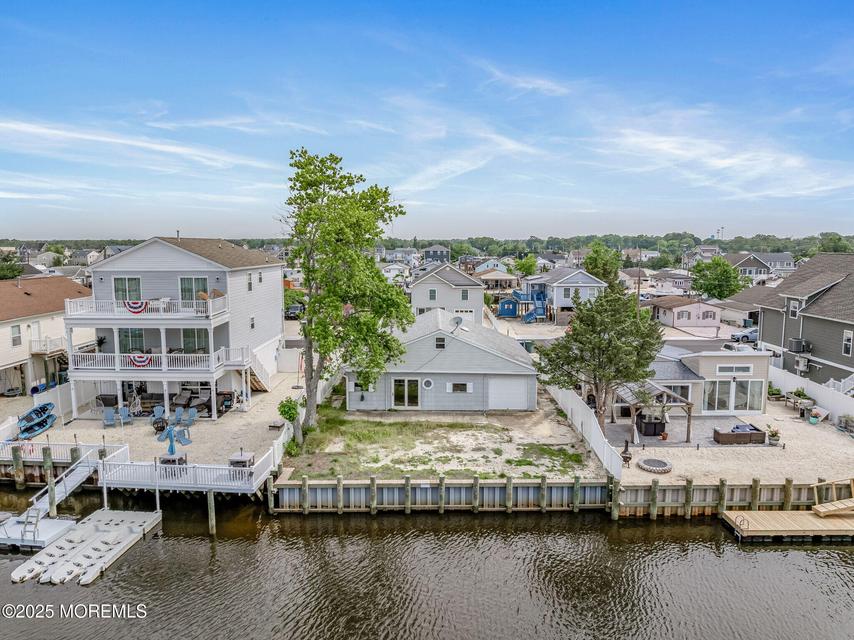
New Jersey's Coastal Area Facility Review Act, along with separate state wetlands regulations, governs development near marshes, lagoons, and tidal areas, which describes a lot of this region's most desirable waterfront. These rules can affect what's buildable on a lot and what permitting is required for docks, bulkheads, or expansions. Confirm this directly for any waterfront or near-wetland property before assuming a straightforward buildable lot.
None of these rules are secret, exactly. They're published, public, and available to anyone who knows to look.
Short-Term Rental Rules Vary by Town, Not by County
If rental income is part of your plan, this is worth checking before it becomes part of your numbers. New Jersey regulates short-term rentals at the municipal level, not the county level, so there's no single Monmouth County or Ocean County answer, it genuinely varies town to town. Marlboro prohibits rentals under 30 days on residential properties entirely.
Red Bank has historically restricted them to mixed-use zones. Meanwhile, plenty of other Shore towns lean on seasonal rental income as a normal, expected part of the local economy. Never assume rental flexibility based on a neighboring town's rules, confirm the specific municipal regulations directly before counting on rental income in your numbers.
Well, Septic, and the Rural Corners of This Market
Several of this market's more rural townships rely on private well and septic systems rather than public water and sewer. Budget for maintenance and understand the inspection process directly, this is one of the most consistently underestimated ongoing costs on rural and semi-rural properties here.
Why This List Matters More Than It Might Seem To
None of these rules are secret, exactly. They're published, public, and available to anyone who knows to look. But almost nobody relocating here knows to look, because these aren't things you'd think to check if you're used to buying in a typical inland suburb somewhere else. That gap between "public information" and "information buyers actually know to ask about" is exactly where costly surprises come from.
If you're looking at a specific property and want to know which of these actually applies, that's exactly the kind of question worth asking before you write an offer, not after.
Matthew Quinn, United Real Estate Associates
(609) 709-2742
matt@mattquinnsellshomes.com